


Will an air horn scare off a coyote?
A coyote can hear sounds from much farther away – potentially three times farther or more depending on conditions – while human hearing drops off much sooner, especially for faint noises.
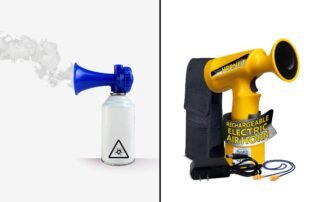
How long will an air horn last?
The Hornet by WoodsCan rechargeable electric air horn will reliably run continuously at 121 decibels for 35 minutes before the battery runs down on a single charge. A Hornet rechargeable air horn can be recharged 500 times. By comparison, typical 8 oz disposable

How long does the Hornet air horn last at sea?
On a full charge, the Hornet air horn delivers 2,000 one second blasts. The rechargeable lithium-ion battery ensures consistent performance during extended outings. If not used much, or at all, it only needs to be charged once a year.

How do air horns work?
The handheld Hornet Sport rechargeable electric air horn uses a small electric compressor which pumps air through a mechanical trumpet to achieve in excess of 121 decibels of sound. This is the same sound at the same volume as disposable compressed gas air horns, but for a much longer duration (20 times longer) per battery charge than a single disposable gas air horn.

Not All Air Horns Are Created Equal
Disposable compressed gas air horns have proven to be unreliable and are extremely bad for the environment. A single 5 oz. can will only last a minute or so at best, it may not work at all in cold weather, and its sound volume diminishes the longer you use it. It also uses an extremely potent greenhouse gas as a propellant versus the Hornet Sport rechargeable electric air horn only uses air, and it will reliably...

Are disposable gas air horns recyclable?
Disposable gas air horns are not typically recyclable through regular curbside recycling because they are pressurized containers, which pose safety hazards unless properly handled. Because of this special handling requirement, the perfectly good metal they are made with often does not get reused.