Is the Hornet by WoodsCan rechargeable air horn environmentally friendly compared to gas horns?



Yes. Hornet by WoodsCan air horn batteries are standard rechargeable lithium-ion batteries that can be recycled through most local electronic waste programs.
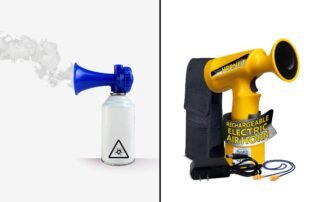
The Hornet by WoodsCan rechargeable electric air horn will reliably run continuously at 121 decibels for 35 minutes before the battery runs down on a single charge. A Hornet rechargeable air horn can be recharged 500 times. By comparison, typical 8 oz disposable air horns will last about 90 seconds at best depending on how

On a full charge, the Hornet air horn delivers 2,000 one second blasts. The rechargeable lithium-ion battery ensures consistent performance during extended outings. If not used much, or at all, it only needs to be charged once a year.

The handheld Hornet Sport rechargeable electric air horn uses a small electric compressor which pumps air through a mechanical trumpet to achieve in excess of 121 decibels of sound. This is the same sound at the same volume as disposable compressed gas air horns, but for a much longer duration (20 times longer) per battery charge than a single disposable gas air horn.

Disposable compressed gas air horns have proven to be unreliable and are extremely bad for the environment. A single 5 oz. can will only last a minute or so at best, it may not work at all in cold weather, and its sound volume diminishes the longer you use it. It also uses an extremely potent greenhouse gas as a propellant versus the Hornet Sport rechargeable electric air horn only uses air, and it will reliably...

The Hornet air horn has a rechargeable Lithium-Ion battery that will retain up to 90% of its charge even after a year in storage at room temperature. With prolonged exposure to cold temperatures, it can lose as much as 30% of its charge but it will still operate normally. Simply recharge it to get it
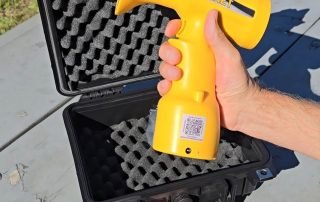
Think of the Hornet air horn more as a “power tool” like a cordless drill than a bike light or mobile phone. The power requirements are high and it is very difficult for a USB-C charging system to achieve this.
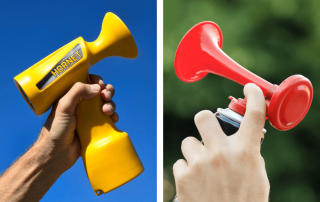
Considerations When Choosing a Handheld Air Horn: Volume: The loudness of an air horn is typically measured in decibels (dB). Higher dB ratings indicate louder horns, which are often necessary for safety or signaling in noisy environments. Compressed gas air horns start off loud but lose sound volume as the can depletes, when they are