Is the Hornet by WoodsCan rechargeable air horn environmentally friendly compared to gas horns?



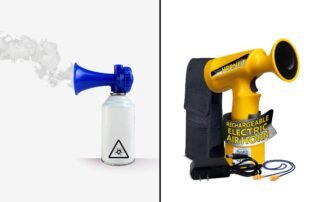
The Hornet by WoodsCan rechargeable electric air horn will reliably run continuously at 121 decibels for 35 minutes before the battery runs down on a single charge. A Hornet rechargeable air horn can be recharged 500 times. By comparison, typical 8 oz disposable air horns will last about 90 seconds at best depending on how

On a full charge, the Hornet air horn delivers 2,000 one second blasts. The rechargeable lithium-ion battery ensures consistent performance during extended outings. If not used much, or at all, it only needs to be charged once a year.
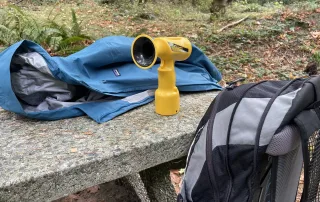
Here’s a scenario you may have encountered: you are hiking in the forest and 50 or 70 metres up the trail you see a bear. A bear’s eyesight is about the same as ours, so maybe it has or hasn’t seen you yet, but it’s coming your way. What do you do?

It depends. The Hornet battery powered rechargeable air horn is not affected by temperature as it uses an electric motor to drive a compressor, so cold temperatures will have little or no effect on it. Compressed gas, or aerosol air horns, will not gasify in cold temperatures, either not creating the required pressure to operate
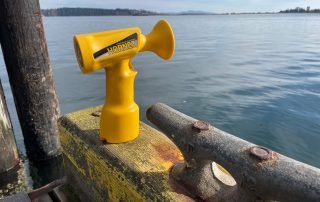
Emergency Signaling: An air horn is crucial for signaling distress or emergencies. It can alert nearby vessels and people to an urgent situation, helping to

In Canada, the Small Vessel Regulations require that all boats carry some form of sound-signalling device, such as a whistle or horn. The requirement depends on your type and size of boat. Approved sound-signalling devices and appliances must be audible for a minimum of 0.93 km. In the USA, for boats up to 65 feet
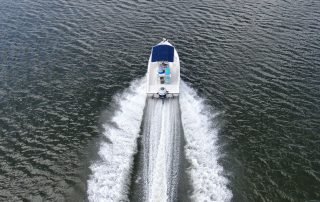
Below is a list of the common information that is communicated by recreational boaters using an air horn. The signals must be audible for at least one-half mile. Note: A short blast = one second. A prolonged blast = 4–6 seconds. Changing Direction: One short blast tells other boaters, “I intend to pass you on