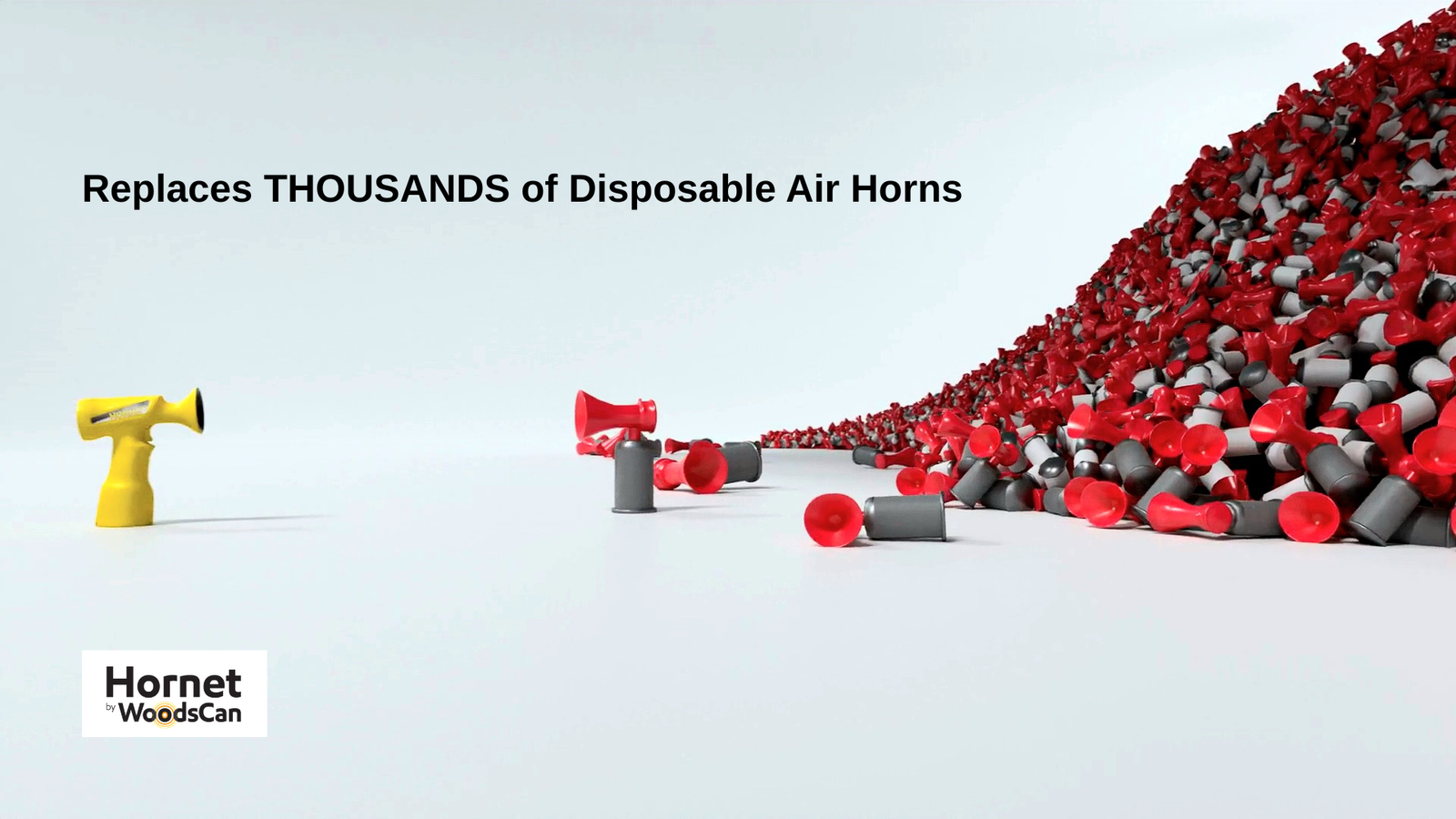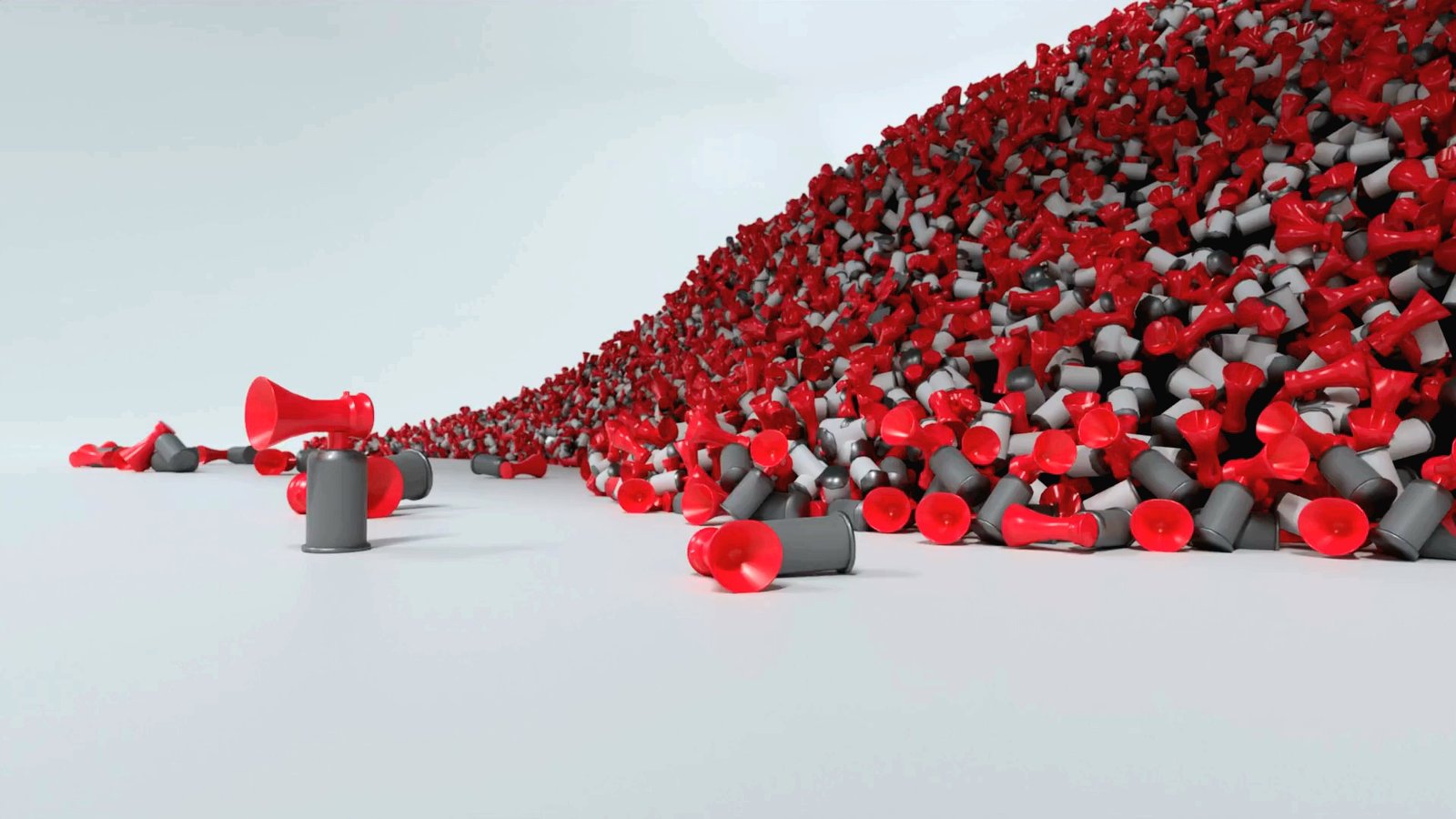
Disposable gas air horns are not typically recyclable through regular curbside recycling because they are pressurized containers, which pose safety hazards unless properly handled. Because of this special handling requirement, the perfectly good metal they are made with often does not get reused.
Here are the issues, and here are the possible solutions for recycling depending on where you live, and alternatives to avoid dealing with disposal of pressurized cans altogether.
Why they aren’t recyclable curbside:
Disposable gas air horns contain compressed gas (most commonly HFC-134a), making the metal canister a pressurized container. These are dangerous for standard recycling streams because they can explode if crushed during collection or sorting.
What you can do with them:
- Completely empty the canister (ensure no gas remains).
- If your local program does accept empty aerosol cans (not all do), and it’s truly empty, some recycling depots may take them as metal scrap. However, this varies a lot by municipality, and you must be sure all gas/pressure is gone first.
- Take them to a household hazardous waste facility or recycling depot that accepts pressurized containers.
- Many areas advise taking items like small gas canisters, aerosol products, and pressurized containers to special collection sites rather than putting them in regular recycling.
- Check local guidelines — services can tell you where such items are accepted in your area.
What not to do:
- Don’t put partially full or pressurized air horns in your curbside recycling bin—they can cause fires or explosions at sorting facilities.
- Don’t puncture or crush them yourself — that’s dangerous without proper equipment.
If you want to avoid the disposal issue altogether in the future:
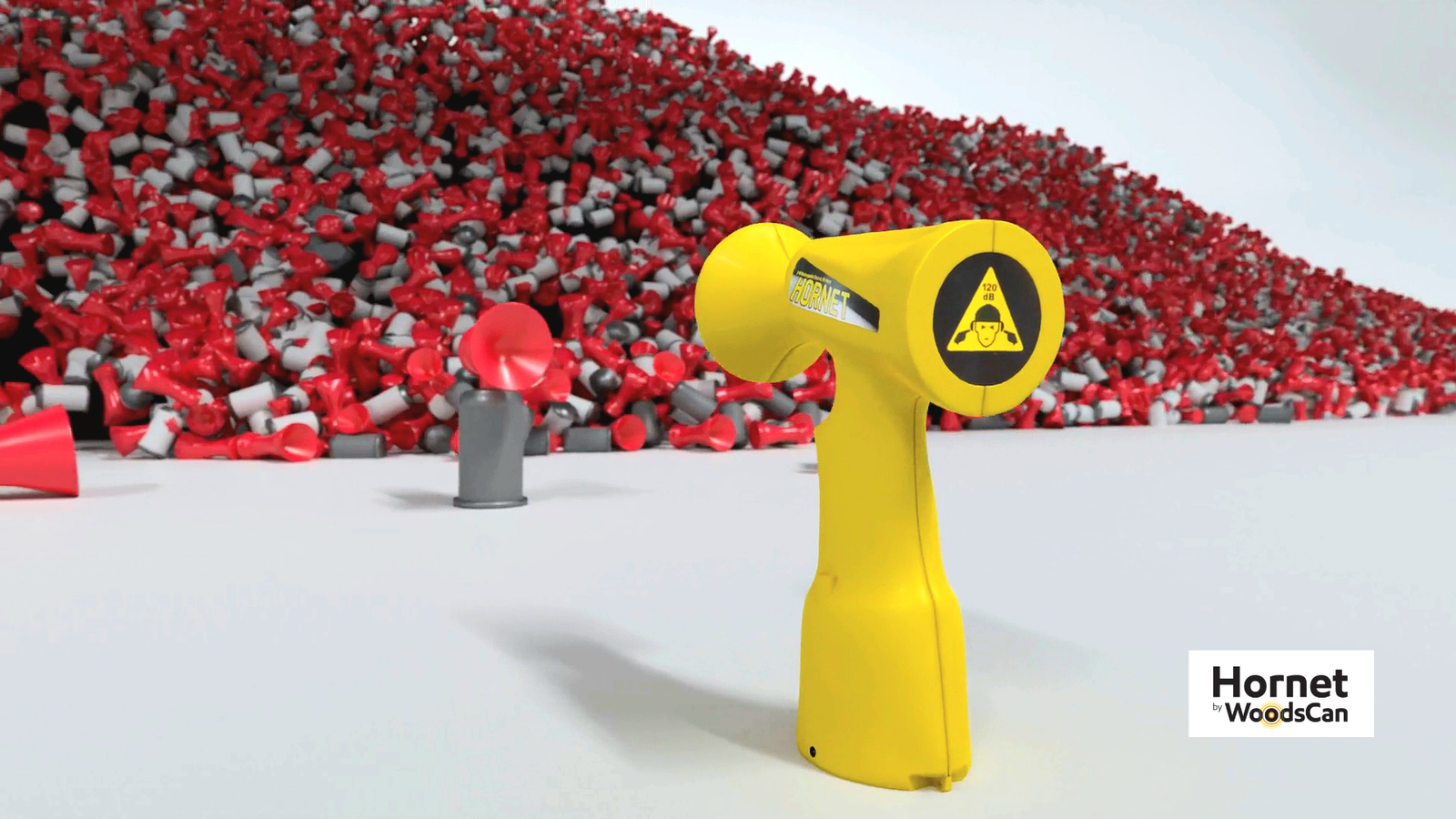
- Choosing a rechargeable electric air horn, like the Hornet by WoodsCan, completely eliminates the issue of dealing with disposable canisters. The rechargeable lithium-ion battery will operate for 35 minutes per charge and can be recharged 500 times.
- This alternative is safer for the environment, safer to use, more reliable, and more cost effective over time.